%2Ffit-in%2F250x250%2Fguide_websites%2F29771%2Fimages%2F1744260058241457137036_537641352167315_6497687231595562668_n.jpg&w=1920&q=100)
/users/c065fa9a-e830-4202-bc9e-3320f454afe2/ratecard/469916402_122132487362494226_5278191228185281lllllllll063_n.jpg)
%2F300x300%2Fusers%2Fc065fa9a-e830-4202-bc9e-3320f454afe2%2Fratecard%2F469916402_122132487362494226_5278191228185281lllllllll063_n.jpg&w=256&q=75)
%2F300x300%2Fusers%2Fc065fa9a-e830-4202-bc9e-3320f454afe2%2Fimages%2Ffishing-adventure-lake-city-2758.jpg&w=256&q=75)
%2F300x300%2Fusers%2Fc065fa9a-e830-4202-bc9e-3320f454afe2%2Fimages%2Ffishing-adventure-lake-city-2622.jpg&w=256&q=75)
%2F300x300%2Fusers%2Fc065fa9a-e830-4202-bc9e-3320f454afe2%2Fimages%2Ffishing-expedition-fl-2559.jpg&w=256&q=75)
%2F300x300%2Fusers%2Fc065fa9a-e830-4202-bc9e-3320f454afe2%2Fimages%2Ffishing-lake-city-2620.jpg&w=256&q=75)
%2F300x300%2Fusers%2Fc065fa9a-e830-4202-bc9e-3320f454afe2%2Fimages%2Flongnose-gar-caught-lake-city-2721.jpg&w=256&q=75)
%2F300x300%2Fusers%2Fc065fa9a-e830-4202-bc9e-3320f454afe2%2Fimages%2Ffishing-adventure-lake-city-2682.jpg&w=256&q=75)
%2F300x300%2Fusers%2Fc065fa9a-e830-4202-bc9e-3320f454afe2%2Fimages%2Ffishing-expedition-lake-city-2839.jpg&w=256&q=75)
%2F300x300%2Fusers%2Fc065fa9a-e830-4202-bc9e-3320f454afe2%2Fimages%2Ffishing-in-florida-2614.jpg&w=256&q=75)
%2F300x300%2Fusers%2Fc065fa9a-e830-4202-bc9e-3320f454afe2%2Fimages%2Ffishing-adventure-lake-city-2716.jpg&w=256&q=75)
%2F300x300%2Fusers%2Fc065fa9a-e830-4202-bc9e-3320f454afe2%2Fimages%2Fflorida-fishing-adventure-2680.jpg&w=256&q=75)
Top-Rated Bowfishing Trip on Lake City Waters
 Florida
What you will be catching:
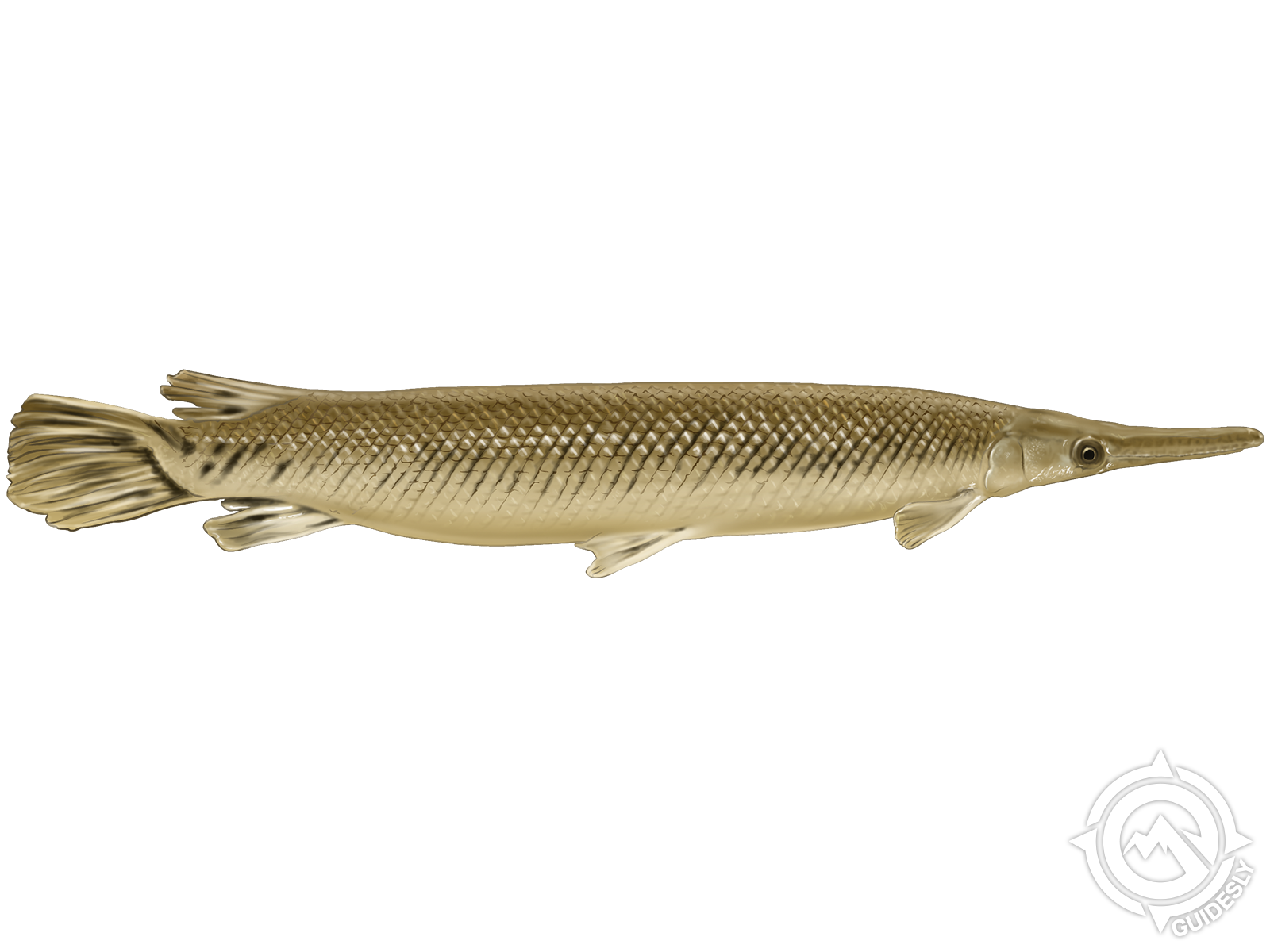 Alligator Gar
 Black Drum
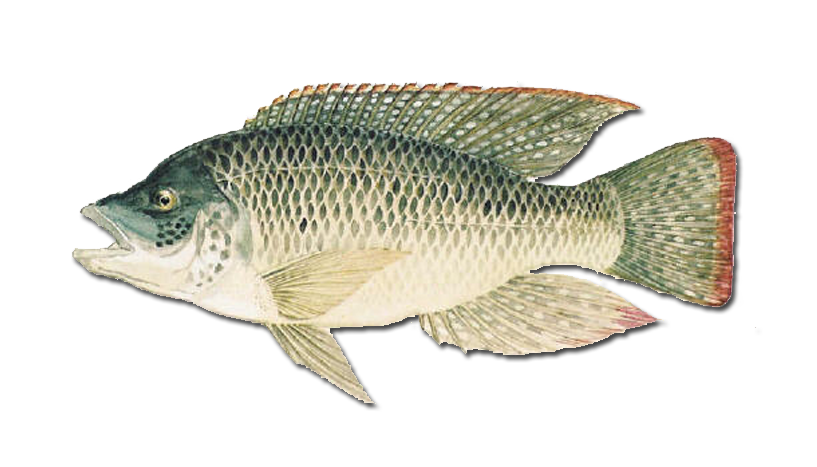 Mozambique Tilapia
 Redfish
 Sheepshead
- Beginner-friendly nighttime bowfishing with expert guide and equipment
- Target alligator gar and black drum in calm Florida waters
- Four-hour experience accommodates up to three participants
Trip Pricing and Availabilities:
Night Fishing Fun: Lake City Bowfishing
Get ready for a one-of-a-kind fishing adventure under the stars! Our Lake City Bowfishing Charter is perfect for anyone looking to try their hand at this unique sport. Whether you're a complete newbie or just want to sharpen your skills, our expert guides will show you the ropes (or should we say, bowstrings?) on this 4-hour nighttime trip. We'll cruise the calm waters of Lake City, Florida, using special lights to spot some of the coolest freshwater fish you've ever seen. It's like a real-life video game, but way more exciting!
What's the Deal?
Picture this: You're out on a boat, bow in hand, as the sun sets and the night comes alive. Our trip kicks off at 8 PM, giving you plenty of time to get settled and learn the basics before the action starts. We've got room for up to three anglers, but if you've got a fourth buddy who wants in, no worries - we can make it happen for a little extra. You'll be targeting some real monsters like alligator gar and black drum. The best part? We provide all the gear you need, so you don't have to stress about bringing your own bow or arrows. Just make sure you've got your Florida fishing license, and you're good to go!
Bowfishing 101
Never shot a fish before? Don't sweat it! Bowfishing is all about quick reflexes and a good eye. We use special bows equipped with reels and arrows attached to fishing line. Our boat is decked out with bright lights that illuminate the water, making it easier to spot fish near the surface. When you see a fish, you'll draw your bow, aim slightly below the fish (because of light refraction in water - cool, right?), and let that arrow fly! It takes a bit of practice, but once you get the hang of it, you'll be hooked. Our guides will be right there with you, offering tips and tricks to improve your aim and increase your chances of landing a big one.
Fish in the Spotlight
Lake City is home to some seriously impressive fish, and bowfishing gives you a chance to target species you might not catch with a regular rod and reel. Let's break down some of the fish you might encounter on your nighttime adventure:
Alligator Gar: These prehistoric-looking fish are the stuff of legends. They can grow over 6 feet long and weigh over 100 pounds! Alligator gar are ambush predators, often hanging out near the surface at night. They're quick, so you'll need to be on your toes. Catching one of these is like reeling in a piece of living history - they've been around since the time of the dinosaurs!
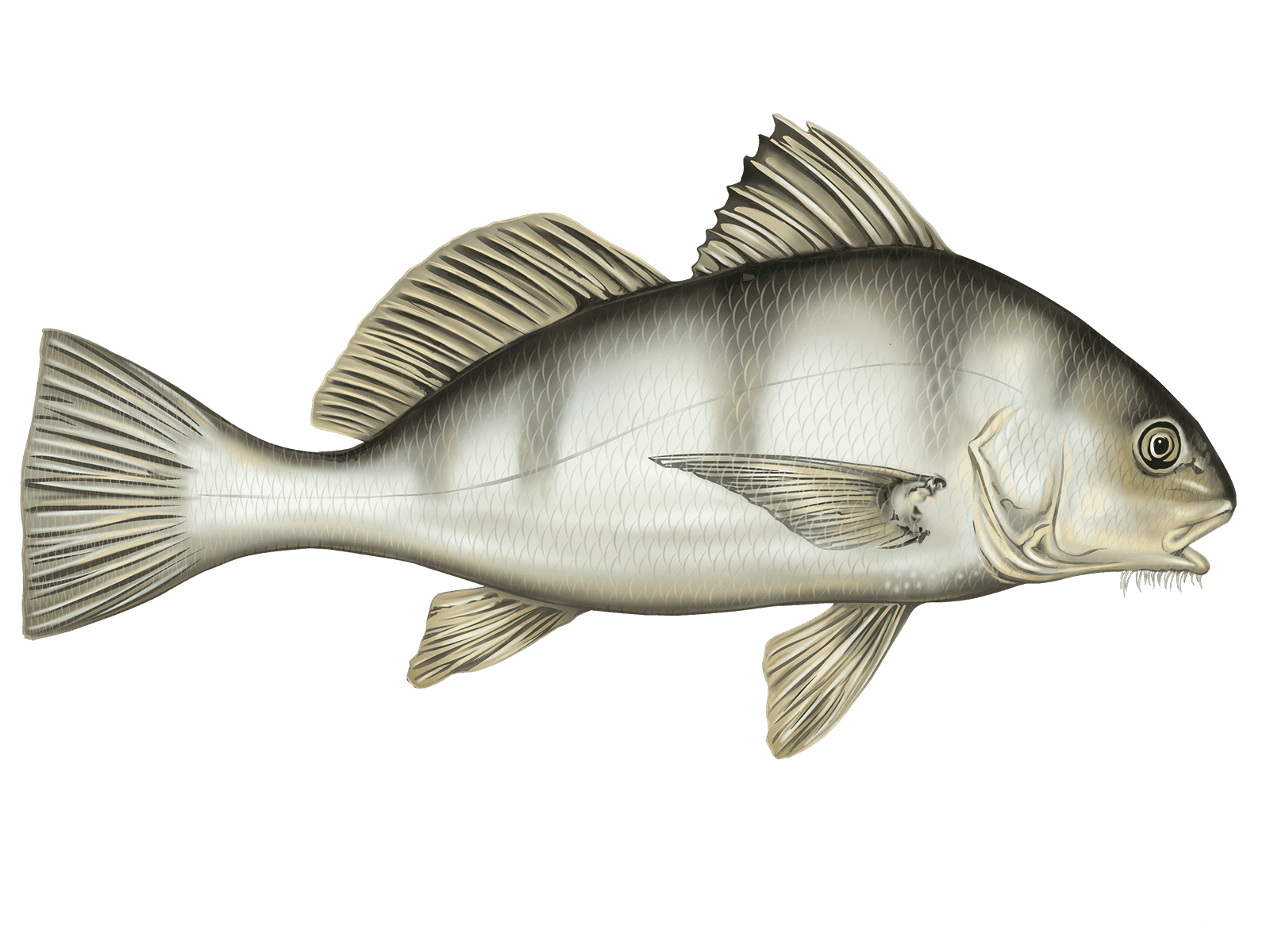
Black Drum: Don't let the name fool you; these fish are anything but dull. Black drum can get huge, sometimes over 50 pounds! They're bottom-feeders, but at night they often come up to shallower water to feed. Their large, silvery scales make them easier to spot in our lights. Landing a big black drum is like battling a bulldozer - they put up one heck of a fight!
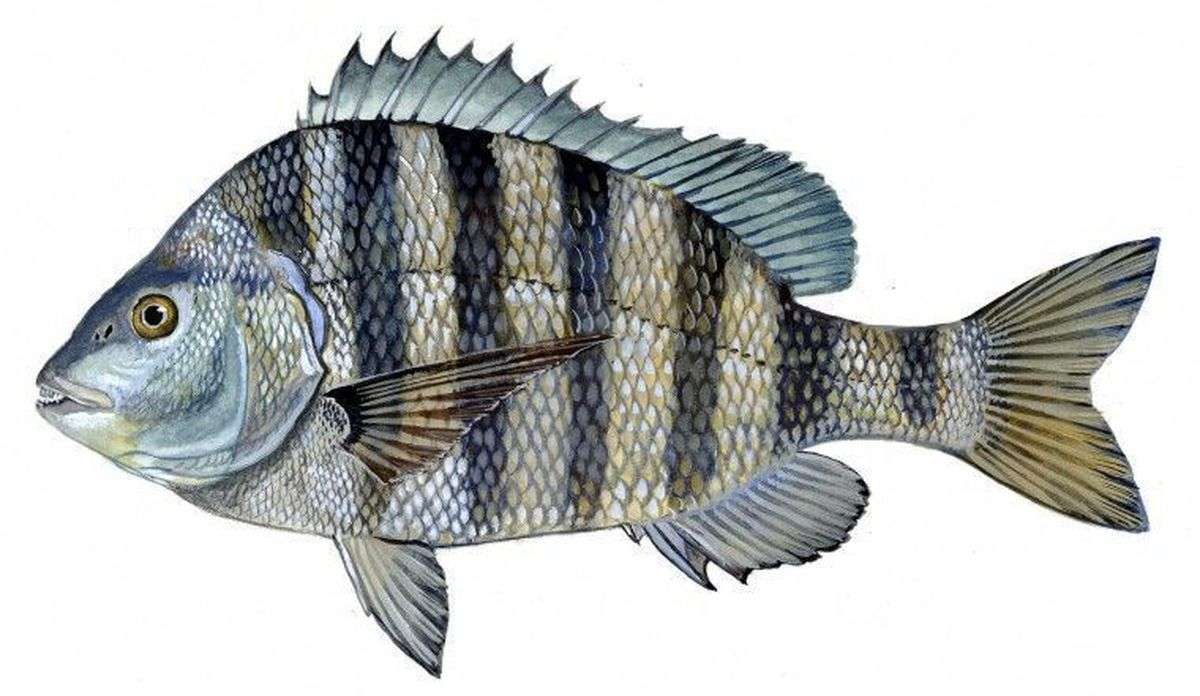
Sheepshead: These guys are the comedians of the underwater world, with their human-like teeth and black and white stripes. They're usually found near structures like docks or fallen trees. Sheepshead are crafty and quick, making them a fun challenge for bowfishers. Plus, they're delicious if you're into keeping your catch for dinner.
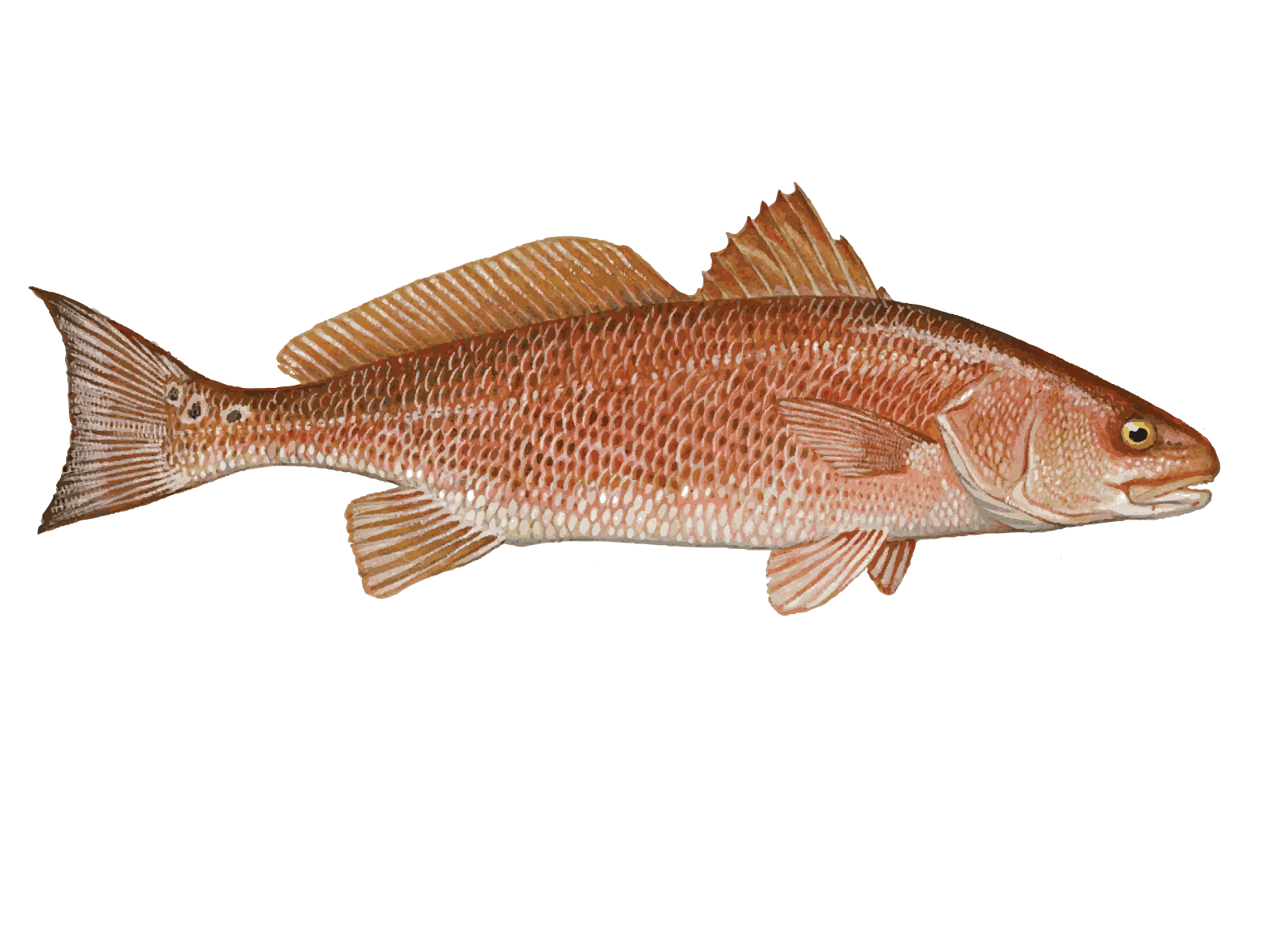
Redfish: Also known as red drum, these copper-colored beauties are a favorite among anglers. They've got a distinctive black spot near their tail, which makes them easier to identify in the water. Redfish are known for their strong runs, so if you arrow one, be ready for some excitement!
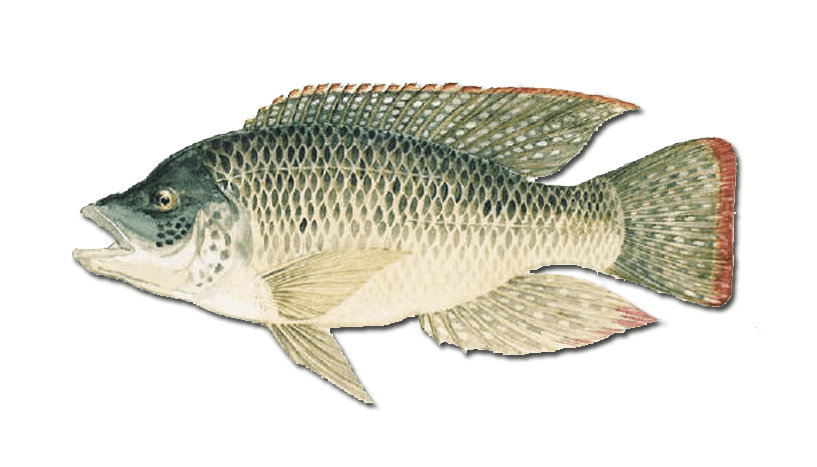
Mozambique Tilapia: These non-native fish have made themselves right at home in Florida's waters. They're not the biggest fish you'll target, but they're plentiful and can be a blast to shoot. Tilapia tend to hang out in shallow areas, often in schools, so you might have a chance at multiple shots.
Why Anglers Can't Get Enough
There's something special about bowfishing that keeps folks coming back for more. Maybe it's the thrill of the hunt, or the unique challenge of shooting fish instead of casting a line. Or it could be the cool factor of being out on the water at night, surrounded by the sounds of nature and the glow of the lights. Whatever it is, our Lake City Bowfishing Charter has become a favorite among locals and visitors alike. It's a totally different way to experience fishing, and trust me, once you try it, you'll be itching to come back.
Ready to Give it a Shot?
If you're pumped to try bowfishing (and let's be honest, how could you not be?), then it's time to lock in your spot on our Lake City Bowfishing Charter. Remember, we've only got room for 3-4 anglers per trip, so don't wait too long to book. It's the perfect adventure for a group of friends, a unique date night, or even a solo outing if you're looking to meet some like-minded fishing enthusiasts. We'll provide all the gear and know-how; you just bring your sense of adventure and a Florida fishing license. So what are you waiting for? Grab your spot now and get ready for a night of fishing like you've never experienced before. Trust me, you'll be telling fish stories about this one for years to come!
Learn more about the animals
Alligator Gar
Alligator Gar are living fossils and one of the biggest freshwater fish you can target. These prehistoric-looking beasts can grow over 6 feet long and top 100 pounds. You'll find them in rivers, bayous, and backwaters, often in deep bends near shallow areas. Late summer's prime time when it's hot and dry. Anglers love the challenge and the chance to tangle with a true river monster. They're tough to hook, but the fight is worth it. Bowfishing's popular, but remember it's a lethal method. For rod and reel, try using cut bait like carp or mullet on a strong treble hook under a big bobber. Here's a tip: patience is key. These fish are ambush predators, so set up in likely spots and be prepared to wait. When they hit, hold on tight - it's going to be a battle!
Black Drum
## Black Drum (Pogonias Cromis) ## Black Drum Description The Black Drum is a fish in the Sciaenidae family. The Black Drum is also the largest fish of that family, including almost 300 species, including their popular cousin, the Redfish. They are known as drums or croakers due to the repetitive drumming or croaking sounds they make. They are black and or grey and have powerful jaws with strong teeth capable of crushing prey like shellfish and oysters. ## Black Drum Size The Black Drum's typical weight range varies considerably from 5 to 30 pounds but can reach a weight of up to 90 pounds. If you intend to eat your catch, you may want to release Black Drum over 15 pounds. As they grow larger, the meat is tough and more comparable to chicken than a flaky texture. Also, the flavor of the older fish is not as tasty as the smaller-sized fish. ## Black Drum Spawning Black Drum have mating calls that they use to seek out others during the spawning season, capable of producing tones that reach 100 to 500 Hz. Black Drum grow rapidly and reach maturity within the first 2 years of their lives and live to 50 years. The females can lay eggs every three days during the spawning season. Their spawning seasons vary due to location, spawning occurring in February and March in southern areas like Texas, and April to June farther north. ## Black Drum Habitat Black Drum typically prefers brackish waters and estuaries. The adults live closer to the saltier areas near the ocean. They can be found around an oyster bed and other areas with plentiful food sources. The juveniles prefer the less salty areas of the same estuaries with sandy bottoms. Black drum are extremely adaptable when it comes to temperatures and salinity and can be attracted to freshwater creek openings and extremely shallow water, but are also found in depths of up to 100 feet. ## Black Drum Fishing You will find the best Drum fishing is on shallow water, muddy flats, and oyster beds, but they can also be found near inlets, pier pilings, creeks and estuaries that make way inward. Most anglers also fish for the Black Drum in the spring around the spawning season. At this time, the fish school up and are easier to target. After the spawning season, the fish disperse and become much harder to target. ## ## Black Drum Bait and Lures The best bait an angler can use for Drum fishing is live bait because they are bottom-feeders. Live bait such as fresh soft crabs, mollusk, peelers crabs, sea clam, or crushed mussels are the preferred bait. Anglers like to use crab because it does not tend to get eaten by catfish and other bait stealers. If you are not using live bait, then choose very slow-moving jigs like bucktail jigs. It is also vital to use the correct weighting for the conditions to ensure that your bait is on the bottom. When fly fishing, most anglers prefer to use a 7- or 9-weight fly rod, leaning towards a 9-weight for throwing heavier flies and a little extra strength when pulling on fish that may be more than 20 pounds. You will want to present your fly on the bottom, and weighted black flies that get to the bottom quickly are best such as the Redfish Worm, Merkin, and Clouser Minnow. ## Distribution and Range The Black Drum has a wide range and extends as far north as Nova Scotia, down the whole Atlantic coast of the United States, Florida and the Gulf of Mexico. ## Black Drum Regulations Check the state you are fishing in as they each have their own regulations, but you will find most at 5 fish per day between 14 and 24 inches long, with one allowed over 24 inches.
Mozambique Tilapia
Mozambique Tilapia might not be native, but they're here to stay and can be a fun target. These hardy fish usually run 1-2 pounds and up to 12 inches, though some monsters hit 6 pounds. You'll find them in warm, shallow waters - canals, drainage ditches, and lake edges are good bets. They're skittish, so a stealthy approach is key. Spring and fall are peak seasons, but you can catch them year-round. Anglers enjoy the challenge of fooling these wary fish, and they're good eating too. Try small flies or baits like worms and corn. Here's a local trick: look for their circular nests in shallow water and cast nearby, but not directly at them. A slow, subtle retrieve often triggers strikes from these cautious biters. Remember, they're considered invasive, so there's usually no limit on how many you can keep.
Redfish
Redfish, or Red Drum, are shallow water warriors that'll test your gear and skills. They average 28-33 inches but can grow much bigger. Look for them in water as shallow as 1-4 feet, often tailing in grass flats or prowling oyster bars. They love mud bottoms and hang around structure like old piers. Fall's prime time when they school up, but you can catch 'em year-round. Anglers prize redfish for their hard-fighting nature and that signature tail spot. They're also great eating when slot-sized. To hook up, try topwater lures in the shallows for explosive strikes, or fish live shrimp near structure. Here's a tip: on calm days, cruise the flats and look for their copper-colored backs breaking the surface. Cast ahead of them and hang on - when a big red hits, it's game on!
Sheepshead
Sheepshead are the oddballs of inshore fishing, sporting human-like teeth and black stripes that earned them the nickname "convict fish." Most run 1-8 pounds, but you might tangle with a 20-pounder if you're lucky. Look for them around barnacle-covered structures - docks, bridges, and jetties are prime spots. They're notorious bait stealers, so when you feel that telltale nibble, set the hook hard. Spring's the best time to target them as they gather to spawn. Anglers love the challenge of outsmarting these crafty fish, plus they're excellent eating. Here's a local trick: use a small, strong hook with fiddler crabs or oysters. Get your bait right up against the pilings where they're feeding on barnacles. Patience is key - these guys are masters at stealing bait without getting hooked.
About the Scale Strikers
%2F%2Fusers%2Fc065fa9a-e830-4202-bc9e-3320f454afe2%2Fvehicle_picture%2Fimage-apr-09-2025-08-20-53-1044-pm.png&w=1920&q=75)
Vehicle Guest Capacity: 4
Manufacturer Name: Mercury
Maximum Cruising Speed: 345
Number of Engines: 1
Horsepower per Engine: 115